

The foreign exchange (Forex) market - a $7 trillion-a-day financial arena - is one of the most dynamic and accessible markets in the world. Unlike the stock market, which revolves around the performance of individual companies, Forex trading allows you to speculate on the economic growth of entire countries through currency pairs. This article is designed to guide aspiring traders and professionals alike through the essential steps, strategies, and insights necessary to succeed in this challenging but rewarding field.
By understanding the tools, techniques, and psychology of Forex trading, you can avoid common pitfalls and join the 5% of traders who achieve lasting success. Let’s dive into the key concepts and actionable strategies that can transform your approach to trading.
What is Forex? Understanding the Basics
Forex, short for foreign exchange, is the global marketplace where currencies are traded. With a daily turnover of $7 trillion, Forex is larger than all stock markets combined. But what makes Forex unique?
- 24/5 Market Accessibility: Unlike traditional markets, Forex operates 24 hours a day, five days a week, giving you the flexibility to trade across global time zones.
- Profit in Any Market Condition: Whether prices rise or fall, you can profit by going long (buying) or short (selling) currency pairs.
- Leverage for Small Accounts: Traders can control positions worth thousands with minimal capital, thanks to leverage. However, leverage is a double-edged sword that requires cautious management.
Currency Pairs and Their Categories
When trading Forex, you’re dealing with currency pairs, which represent the value of one currency relative to another. For example, EUR/USD reflects the exchange rate between the Euro and the US Dollar. These pairs fall into three categories:
- Major Pairs: Include the strongest global currencies, always involving the US Dollar (e.g., EUR/USD, GBP/USD). These are liquid, stable, and great for beginners.
- Minor Pairs: Pairs that exclude the US Dollar, such as EUR/GBP and AUD/CAD. They offer slower movements and unique opportunities.
- Exotic Pairs: Combine major currencies with those from emerging markets (e.g., USD/TRY). These are highly volatile and pose significant risks for inexperienced traders.
How to Make Money in the Forex Market
Forex trading provides four primary approaches to profitability:
- Going Long: Profit from price increases by buying a currency pair.
- Going Short: Profit from price declines by selling a currency pair.
- Carry Trading: Earn interest rate differentials between currencies when holding positions overnight.
- News Trading: Speculate on major economic announcements, though this approach involves significant risk and is recommended for experienced traders.
Trading Styles: Finding What Fits
Your trading style depends on your goals, time commitment, and risk tolerance. Here are the four key styles:
- Scalping: Short-term trades lasting seconds or minutes. It’s high-stress but can be lucrative for disciplined traders.
- Day Trading: Positions are opened and closed within the same day, offering a balance of activity and manageable risk.
- Swing Trading: Ideal for beginners, this involves holding trades for days or weeks, offering lower stress and the ability to manage trades alongside other commitments.
- Position Trading: Long-term trades based on macroeconomic trends, often lasting months or years.
For most beginners, swing trading strikes the right balance between profitability and manageability.
Why Most Traders Fail: The 90/10 Reality
Ninety percent of traders fail due to a fundamental misunderstanding of the market. The primary reason? A lack of balance between technical analysis and fundamental analysis.
Technical vs. Fundamental Analysis
- Technical Analysis: Focuses on charts, patterns, and indicators to predict price movements. It answers the "what" and "when."
- Fundamental Analysis: Examines economic data, interest rates, and geopolitical events, providing the "why" behind market trends.
To succeed, traders must integrate both approaches. For example, technical analysis might reveal a great buy setup on EUR/USD, but ignoring an impending central bank announcement could lead to significant losses.
Risk Management: The Foundation of Success
Success in Forex isn’t about winning every trade - it's about minimizing losses and maximizing profits. This is where risk management comes into play.
The Three Pillars of Risk Management
- Position Sizing: Never risk more than 1-2% of your account on a single trade. This ensures survival during losing streaks.
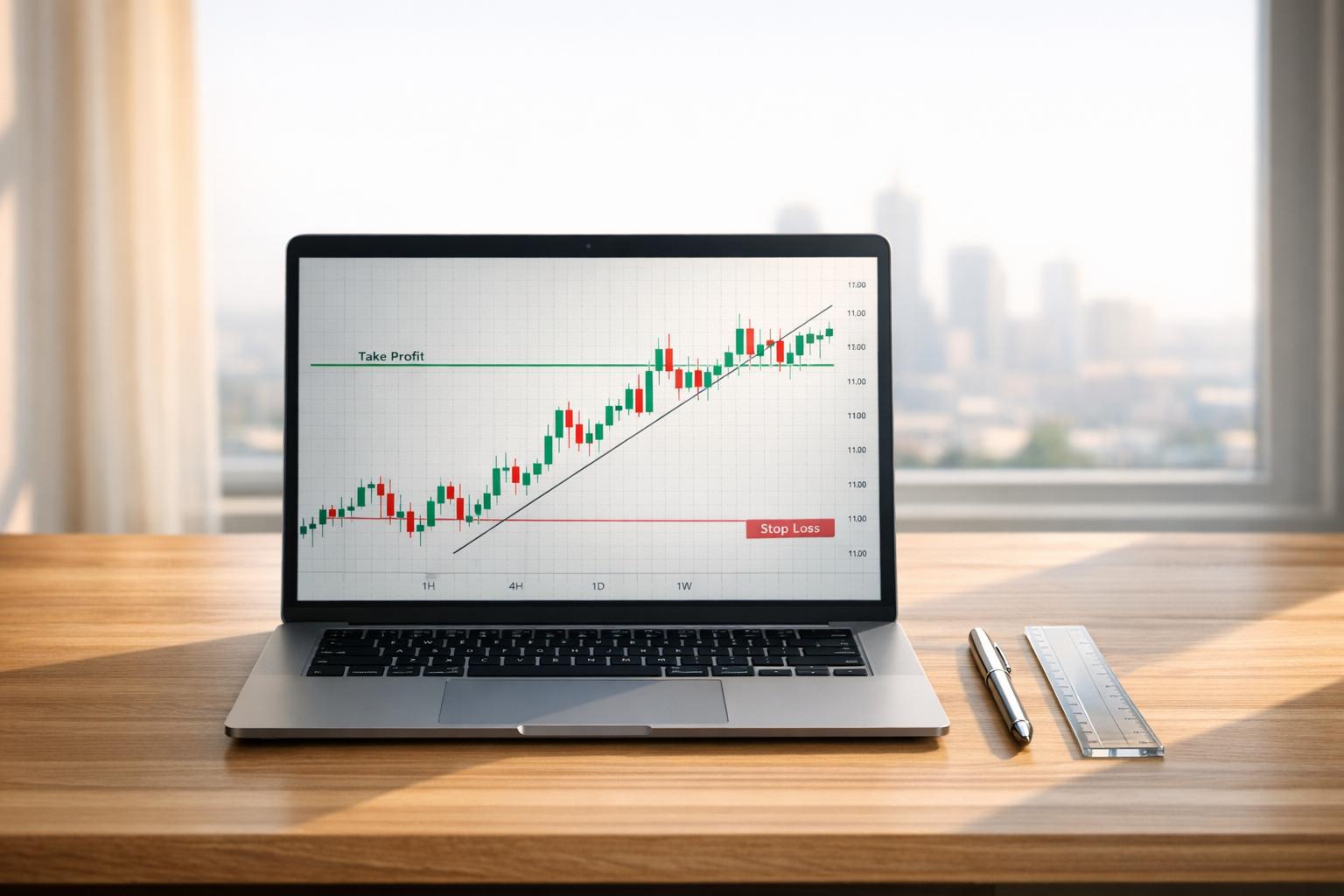
- Stop-Loss Orders: Automatically close trades that move against you, acting as a safety net.
- Risk-Reward Ratio: Aim for a ratio of at least 1:3. For example, risking $100 to target $300 ensures profitability even with a lower win rate.
Here’s an example: If you take 10 trades, lose 6 (at $100 each), and win 4 (at $300 each), your net profit is still $600. This demonstrates the power of proper risk management.
Mastering Trader Psychology
Trading is 10% strategy and 90% psychology. Emotional control can make or break your success.
Emotional Traps to Avoid
- Fear: Leads to missed opportunities or premature exits.
- Greed: Causes overtrading and excessive risk-taking.
- Hope: Keeps traders in losing trades far too long.
- Revenge: Leads to impulsive decisions after a loss.
Developing a Professional Mindset
Professional traders treat trading like a business. They have strict rules, keep journals, and focus on long-term consistency rather than short-term wins. Beginners should:
- Start small with real money only after mastering a demo account.
- Keep a trading journal to analyze decisions and emotional responses.
- Practice stress management techniques like deep breathing or meditation.
Tools and Resources You’ll Need
To trade effectively, you’ll need three essential tools:
- A Regulated Broker: Choose a broker regulated by entities like the FCA or ASIC. Avoid those offering unrealistic returns or pressure tactics.
- Trading Platforms: MetaTrader 4 or 5 are reliable and free industry standards.
- Charting Software: TradingView is the gold standard for market analysis, offering a user-friendly interface and powerful tools.
The Role of Leverage
Leverage amplifies your trading power but also your risk. Beginners should stick to a maximum leverage of 1:30 or 1:50 to avoid unnecessary losses. Higher leverage can lead to quicker account blowouts if not handled responsibly.
A Real-Life Trade Example
To illustrate these principles, consider a recent trade on gold (XAU/USD). After assessing fundamental factors (a risk-off sentiment due to geopolitical tensions), the trader confirmed the bullish bias using technical analysis.
- Entry Point: The trade was initiated after observing a breakout and retest of a trendline.
- Risk Management: A stop-loss was set below the gap to minimize potential losses.
- Stacking Risk: A second position was added after price moved in the trader’s favor.
- Exit Strategy: The trade was closed before full target realization to lock in profits, avoiding greed.
This example highlights the importance of combining technical and fundamental analysis, effective risk management, and emotional discipline.
Key Takeaways
- Understand the Market: Forex trading involves currency pairs and offers profit opportunities in both rising and falling markets.
- Stick to Major Pairs: For beginners, focus on stable and liquid major pairs like EUR/USD.
- Balance Technical and Fundamental Analysis: Use both to identify high-probability trades.
- Follow Risk Management Rules: Limit your risk to 1-2% per trade, use stop-losses, and aim for a 1:3 risk-reward ratio.
- Start Small: Begin with a demo account, then transition to real money after proving profitability.
- Control Emotions: Avoid fear, greed, hope, and revenge by treating trading like a disciplined business.
- Use Reliable Tools: Choose regulated brokers, proven platforms like MetaTrader, and robust charting software like TradingView.
- Leverage Responsibly: Keep leverage low to manage risk effectively.
Conclusion
Forex trading holds the potential for financial independence and professional growth, but it requires discipline, education, and a commitment to continuous improvement. By integrating technical and fundamental analysis, employing robust risk management, and mastering trader psychology, you can navigate the challenges of the market and work toward sustainable success.
Remember, Forex is a marathon, not a sprint. Focus on building your skills over time, and the rewards will follow. Trade safe, and always respect the market.
Source: "FOREX TRADING FOR BEGINNERS - Complete Step-by-Step Guide 2025" - Rob Mirlach, YouTube, Aug 20, 2025 - https://www.youtube.com/watch?v=zUm3LraiZsI
Related Blog Posts
Start Trading with For Traders
Join our platform to test your trading skills, trade virtual capital, and earn real profits. Access educational resources, advanced tools, and a supportive community to enhance your trading journey.
Start your Trading Challenge